
Would I Encourage My Child to Become an Architect?
A few weeks ago, my partner asked me:
"If our child wanted to become an architect, would you encourage them?"
As an architect, educator and practice owner, I was surprised by my own answer.
Yes, I would absolutely encourage them to study architecture… but I'm not sure I would encourage them to follow the traditional route to becoming an architect.

That probably sounds unexpected coming from someone who has spent nearly two decades studying, teaching and practising architecture. I'm fiercely proud of being an architect. I value the creativity the profession demands, the breadth of knowledge it requires and the impact it can have on people's lives.
But I also think we need to have an honest conversation about where the profession is heading. At a time of active debate about the future role of the architect, we should also be asking whether the way we train architects is preparing them for that future.
The Value of Architectural Education
The first thing to say is that I believe architectural education remains incredibly valuable.
Studying architecture develops a unique combination of skills that are increasingly rare. It teaches students how to think critically, communicate visually, synthesise complex information, and navigate uncertainty. It develops creativity, resilience and the ability to bring together competing interests to solve difficult problems.
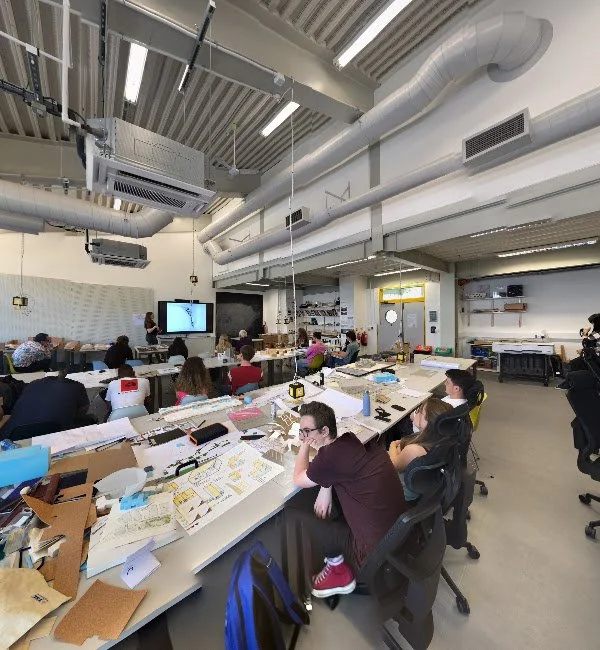
Architectural graduates go on to work across an extraordinarily broad range of fields, including development, planning, project management, sustainability, policy, academia and business. The skills developed through studying architecture can remain hugely valuable, even outside traditional architectural practice.
For me, this is one of the strongest arguments for a broad early architectural education. A degree in architecture provides a powerful generalist foundation, with skills that remain valuable both within and beyond practice.
The question is what happens next?
Are We Still Training Generalists?
Traditionally, architecture has been built around the idea of the general practitioner.
Architects are expected to understand design, planning, construction, procurement, regulations, contracts, sustainability, client management and project delivery. The breadth of knowledge required is extraordinary, and I believe there remains an important role for practitioners who can see the whole picture and bring these competing demands together.
Yet the reality of modern practice is increasingly different. Regulatory requirements continue to expand, sustainability expectations are rising and digital technologies are transforming how buildings are designed and delivered. As a result, many architects are developing specialist expertise.
The profession increasingly depends on these specialists, yet architectural education continues to be structured largely around training generalists. That tension is becoming harder to ignore.

The Debate About Qualification
At precisely the moment practice is becoming more specialised, much of the current discussion around architectural education is focused on the length of qualification.
Some institutions are moving towards integrated master's programmes, in part as an attempt to streamline the route into the profession and reduce the time and cost associated with qualification. The intention is understandable. Seven years of education and professional training is a significant commitment, particularly when compared to the salaries many graduates can expect after qualification.
But I'm not convinced that shortening the process alone addresses the underlying challenge. The real question is not how quickly we can qualify architects, but whether the architectural education they receive reflects the demands the profession will face in the future.
What I Learned Going Back for Part 2
One of the most rewarding experiences of my own education was returning to university for Part 2. Part 1 taught me how to learn and think creatively; Part 2 gave me the opportunity to go deeper, develop my own interests and explore ideas in greater detail.
That experience was hugely valuable. It is also why I am not convinced that making architectural education shorter is necessarily the answer. Looking back, I wonder instead whether Part 2 could offer greater specialisation.
Today, students may engage with housing delivery, sustainability, retrofit, development economics, urban policy, digital construction, placemaking and community engagement, but typically within a broad curriculum that tries to hold all of these areas together.
As practice becomes more complex, perhaps there is a case for allowing students to go much deeper into particular fields, developing genuine expertise while remaining grounded in architectural thinking.
The Challenge of Teaching Practice
Recently, I visited Oxford Brookes University in my role as an external examiner. As always, I was impressed by the quality of student work and the commitment of both students and staff.
The visit reinforced a challenge that I've encountered repeatedly as both an educator and employer. The hardest thing to teach is not design, it is "practice".
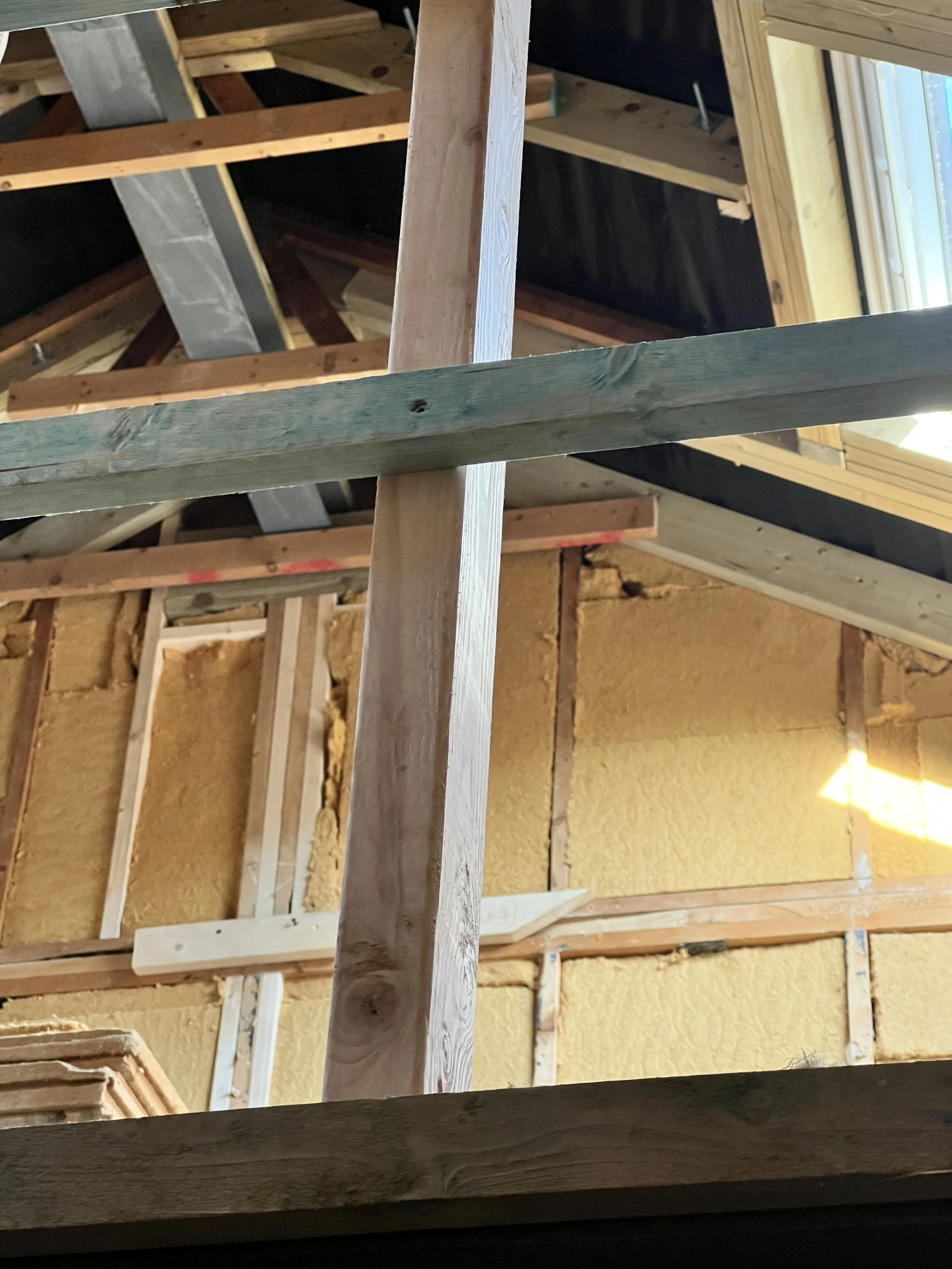
While conceptual design remains central to the profession, it typically occupies only a small part of an architect's working life. Much more time is spent coordinating consultants, advising clients, managing risk, understanding regulations, navigating procurement routes, resolving conflicts, managing programmes and running businesses. These skills are fundamental to practice, yet they are extremely difficult to replicate within an academic environment.
Part 3 does, of course, attempt to address this. For many architects, it is one of the most valuable stages of qualification, bringing together the professional, contractual and regulatory frameworks needed for practice. But it is necessarily broad and largely rules-based: it teaches how practice operates, rather than providing much space to explore these questions creatively or develop deeper expertise in particular areas.
Architectural education should absolutely remain a space for experimentation, creativity and critical thinking. Those qualities are essential. But there is still no substitute for the experience gained through working in practice and understanding how buildings are actually delivered.
This makes me cautious about reforms that shorten or reduce meaningful exposure to practice during training. Perhaps there remains an important role for Part 3 as a common professional foundation, alongside earlier educational pathways that allow students to develop deeper and more specialist expertise.
A Profession at a Turning Point
This discussion becomes more urgent in the context of the current debate around moving from protected title to protected function.
As Tim Burgess has discussed in BD, if architects secure greater protection around what we do, rather than simply what we are called, then questions about expertise become increasingly important.
What specialist knowledge should architects provide?
What services should be uniquely associated with the profession?
How do we create educational pathways that support those ambitions?
These questions go far beyond the length or structure of qualification. They require us to think carefully about what role architects should play in the future, and how we train people for that role.
So, Would I Encourage My Child to Study Architecture?
Yes. Without hesitation.
Architecture remains one of the most valuable educations I can imagine. It teaches creativity, curiosity, communication and problem-solving at a level few other disciplines can match.
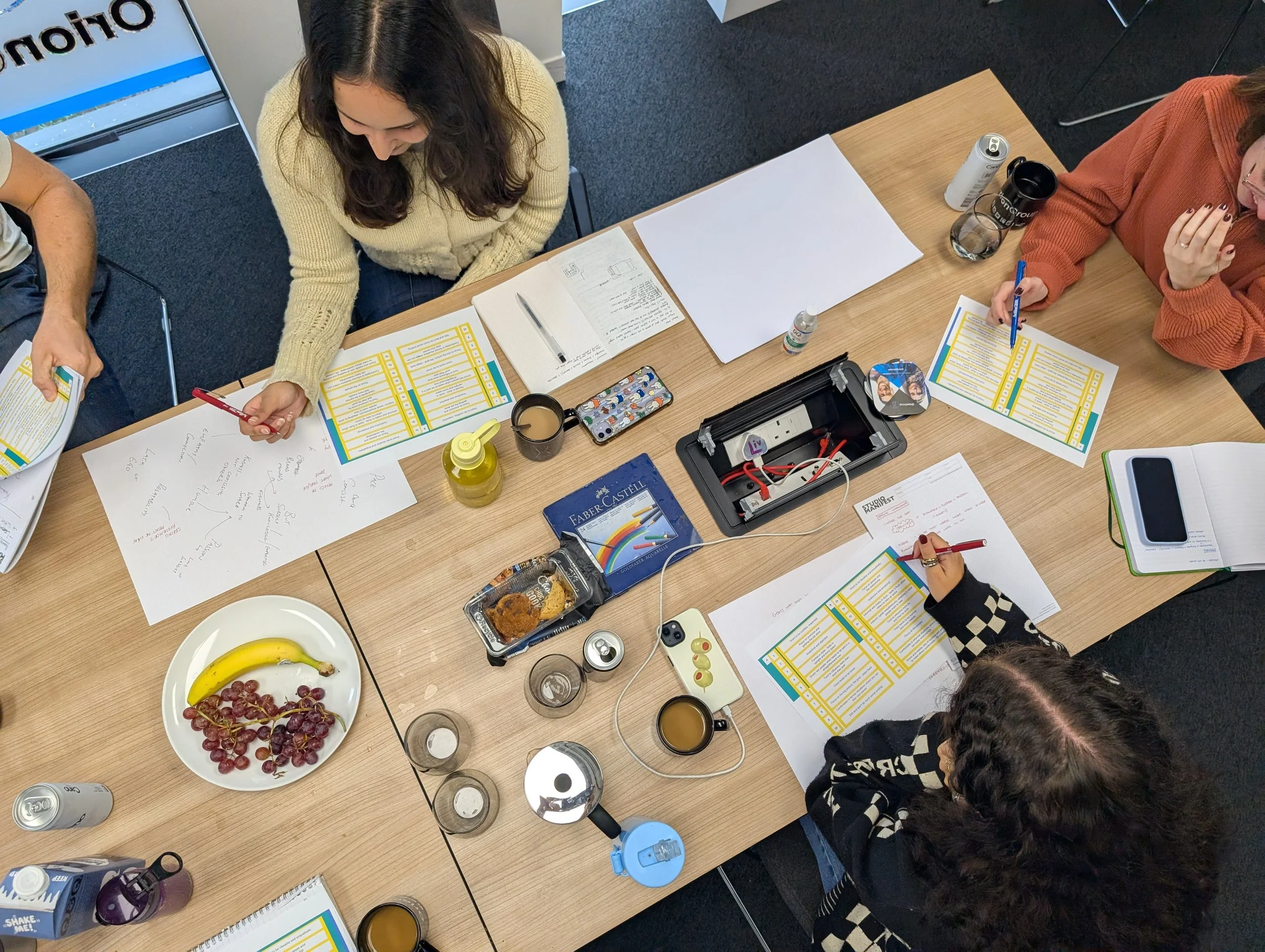
But if my child chooses that path, I suspect the most successful version of their career may look very different from mine. There will, I believe, remain an important role for the general practitioner. But the future profession may also need more specialists, strategists, developers, sustainability experts, policy makers and roles we have not yet imagined.
The profession is changing.
Perhaps the most important question is not how we preserve the education system we inherited, or simply how we make it shorter, but how we evolve it to prepare students for the opportunities ahead.